2 hr 30 min
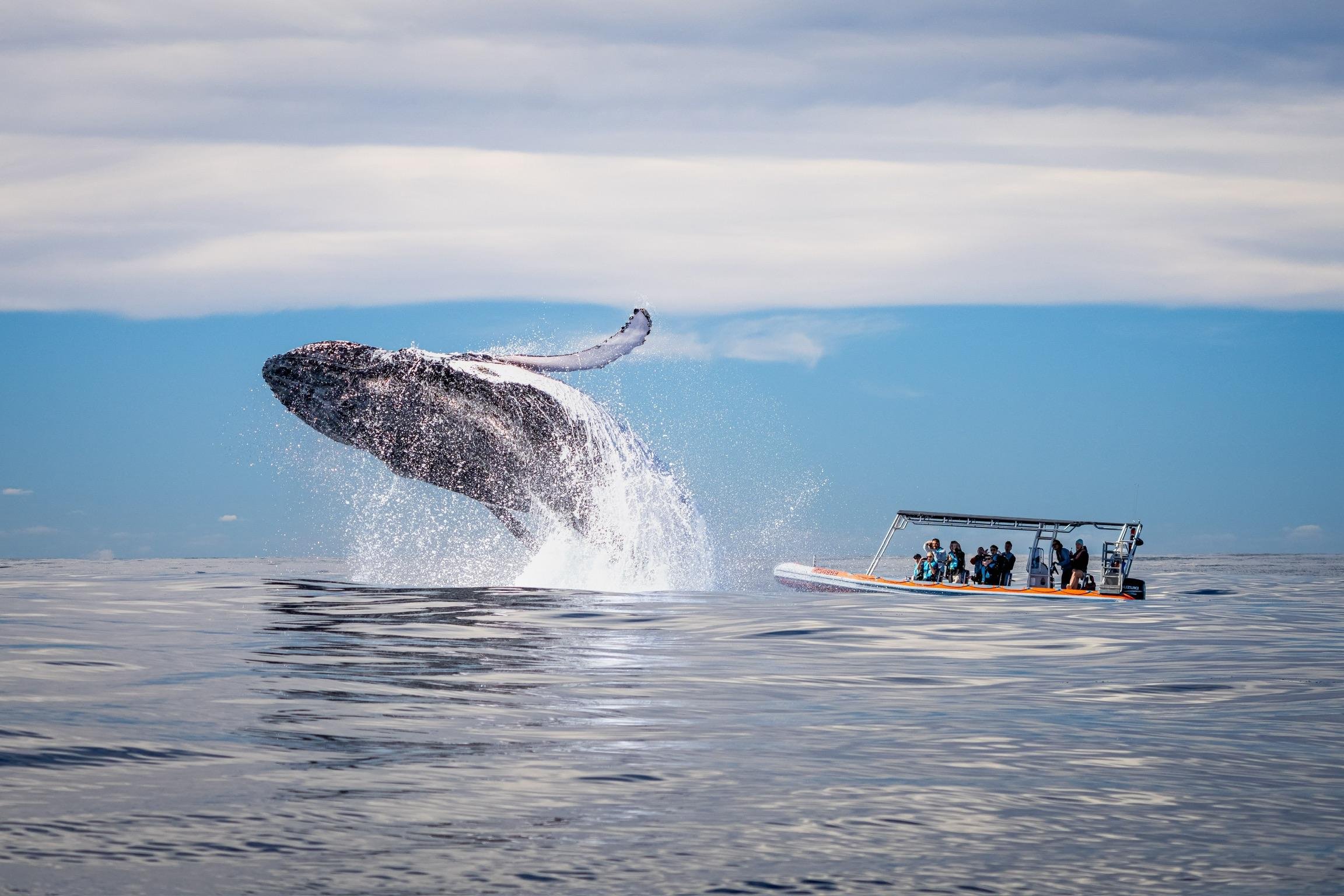
Humpback Whale Watching with Marine Biologist
Encounter migrating humpbacks in Cape Byron Marine Park with expert commentary and underwater song
Reserve
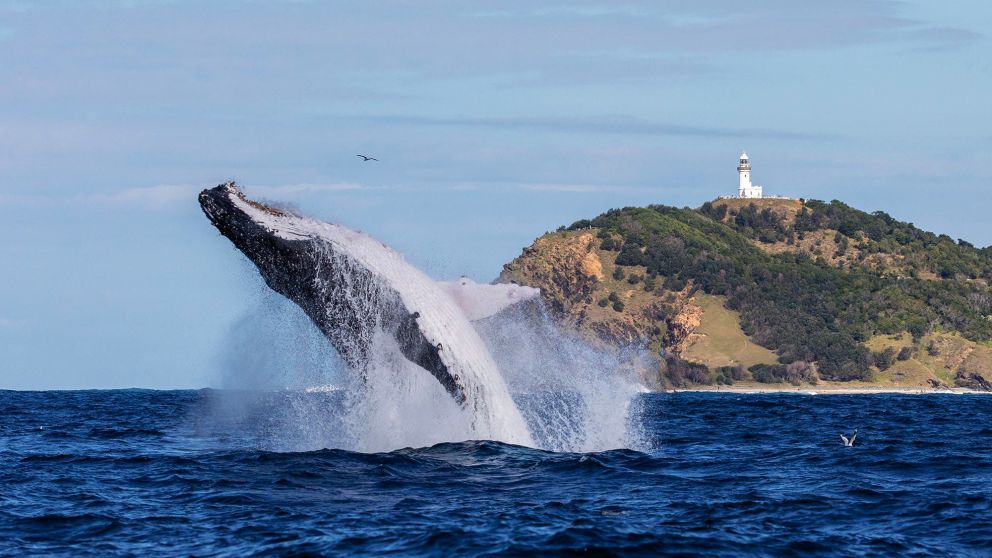
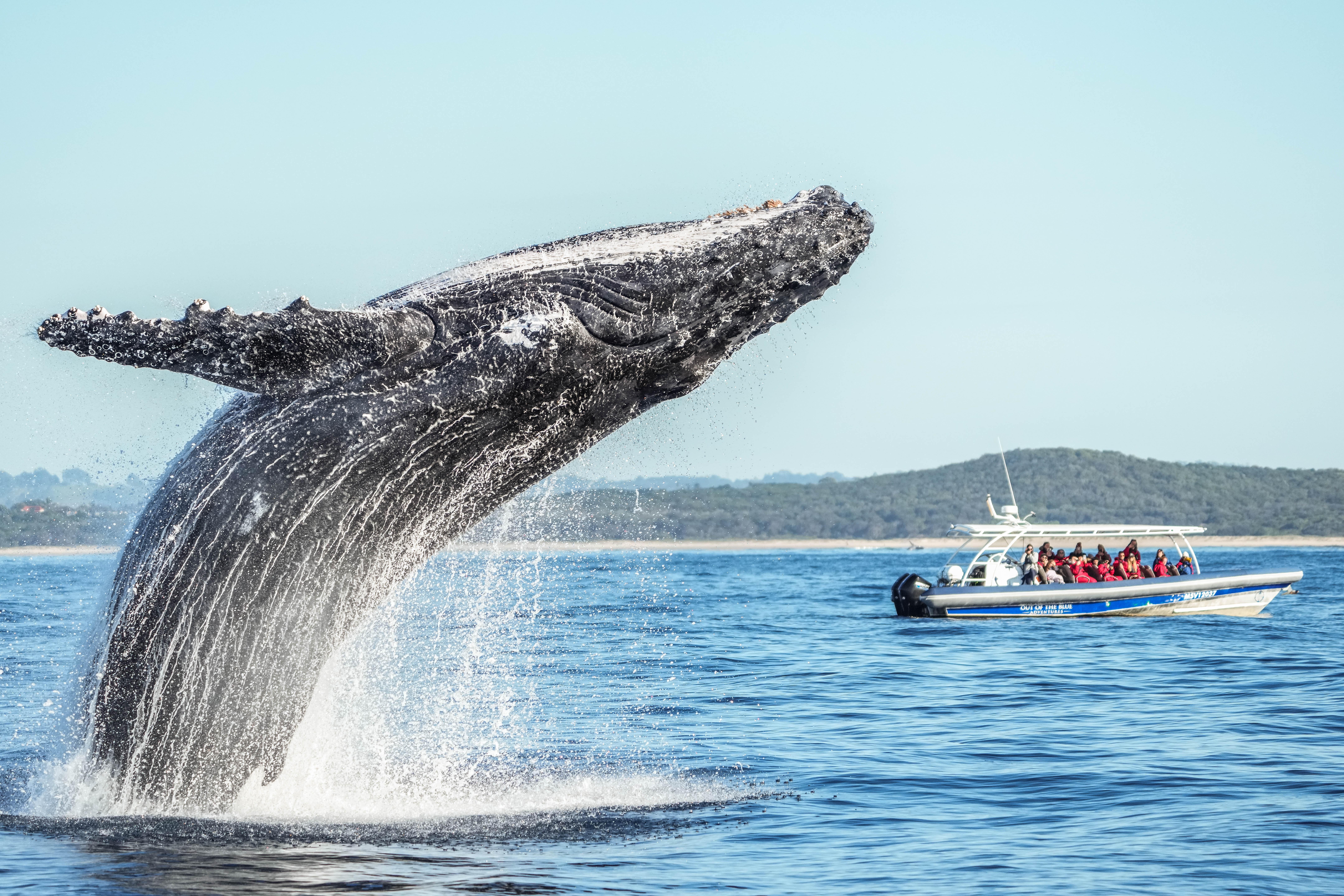
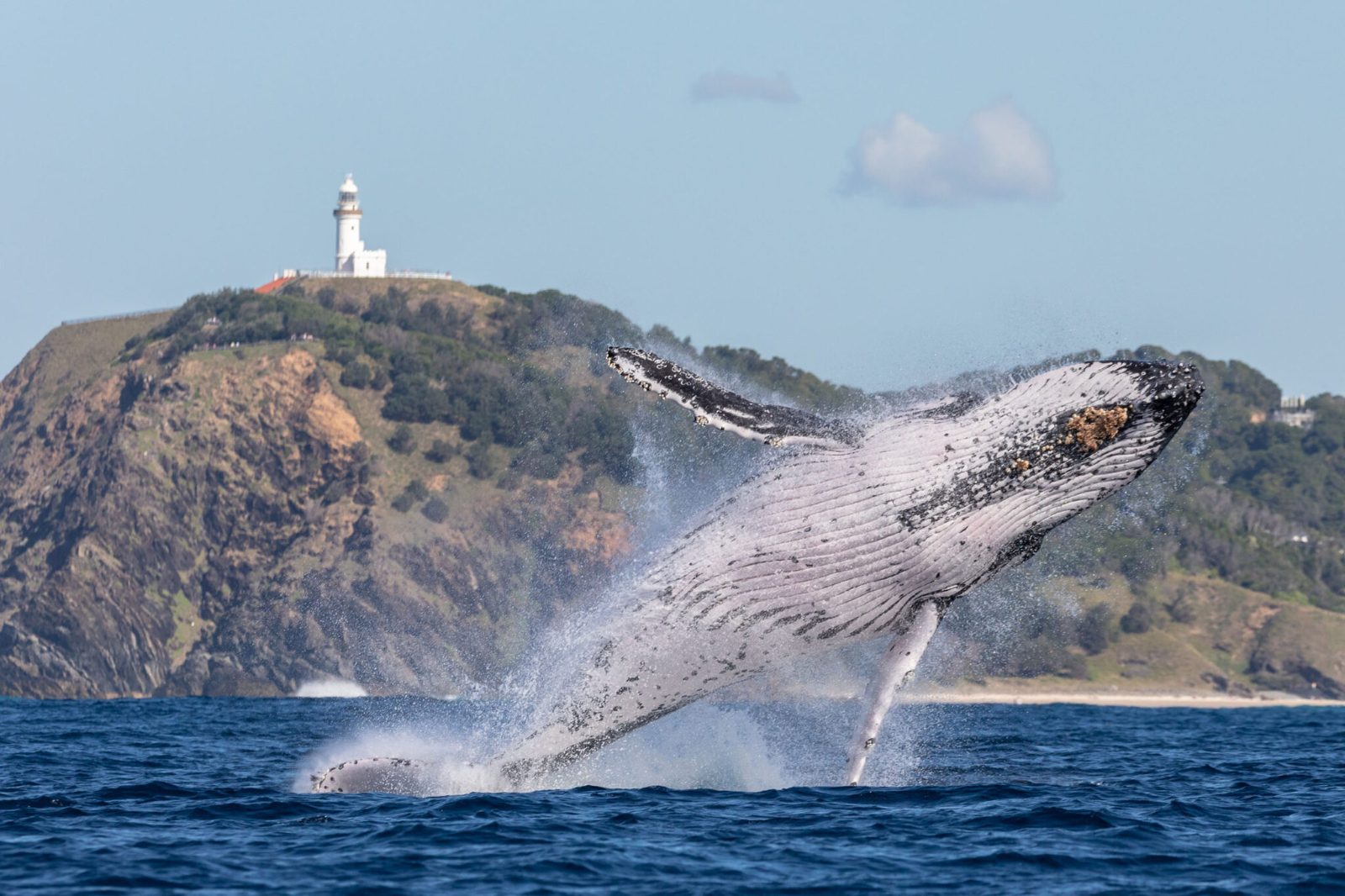
Witness 40-tonne cetaceans breach within 500 metres of shore, June through November along Australia's easternmost point.
Hand-picked by our editors — only the best 7 whale-watching experiences from 19 reviewed.
Verified partners for Byron Bay Whale Watching tours, free cancellation where available, and instant confirmation on every booking.
2 hr 30 min
Encounter migrating humpbacks in Cape Byron Marine Park with expert commentary and underwater song
Reserve
3 hr
Join a thrilling 3-hour ocean adventure to witness humpback whales breaching and playing off Byron Bay's coast.
Reserve
3 hr
Beach-launched marine adventure with scientist guides tracking humpback migration through Cape Byron waters
ReservePrices from verified partners. Availability updates in real time at checkout. Free cancellation policies apply where shown.
The landmarks, rooms, and views travelers on Byron Bay Whale Watching tours remember — all visible on a single visit.
Spanning over 22,000 hectares of protected waters, this sanctuary acts as a primary highway for migrating humpback whales. Visitors regularly observe pods traveling within 500 meters of the coastline.
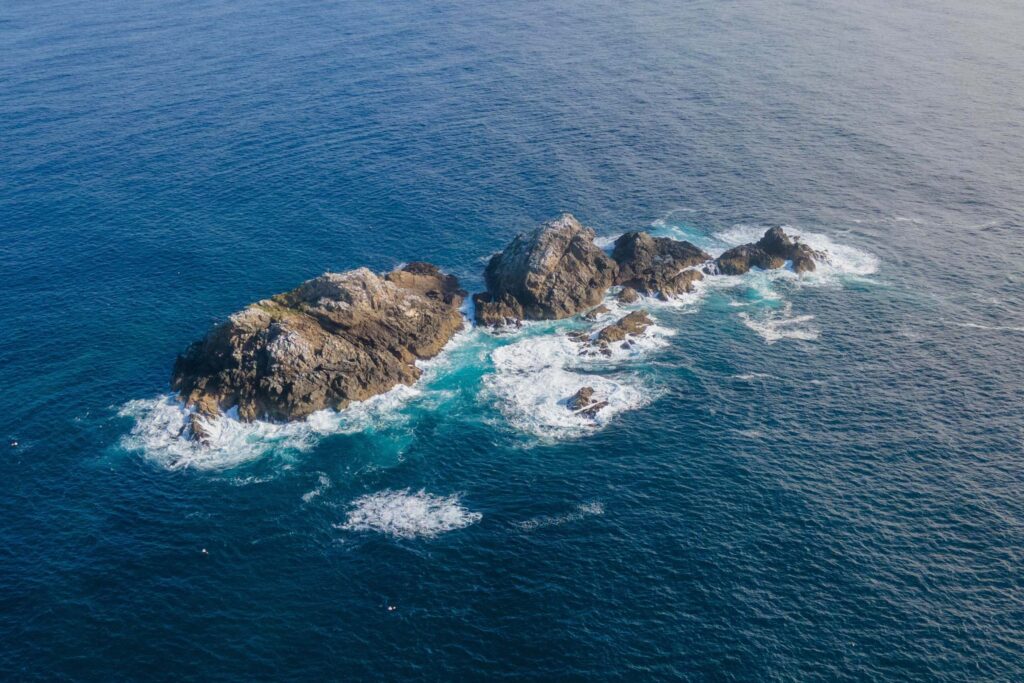
Located just 2.5 kilometers off the Byron Bay coast, these volcanic rocks host over 1,000 marine species. Boat tours pass this ecological hotspot, offering views of seabirds and breaching whales.
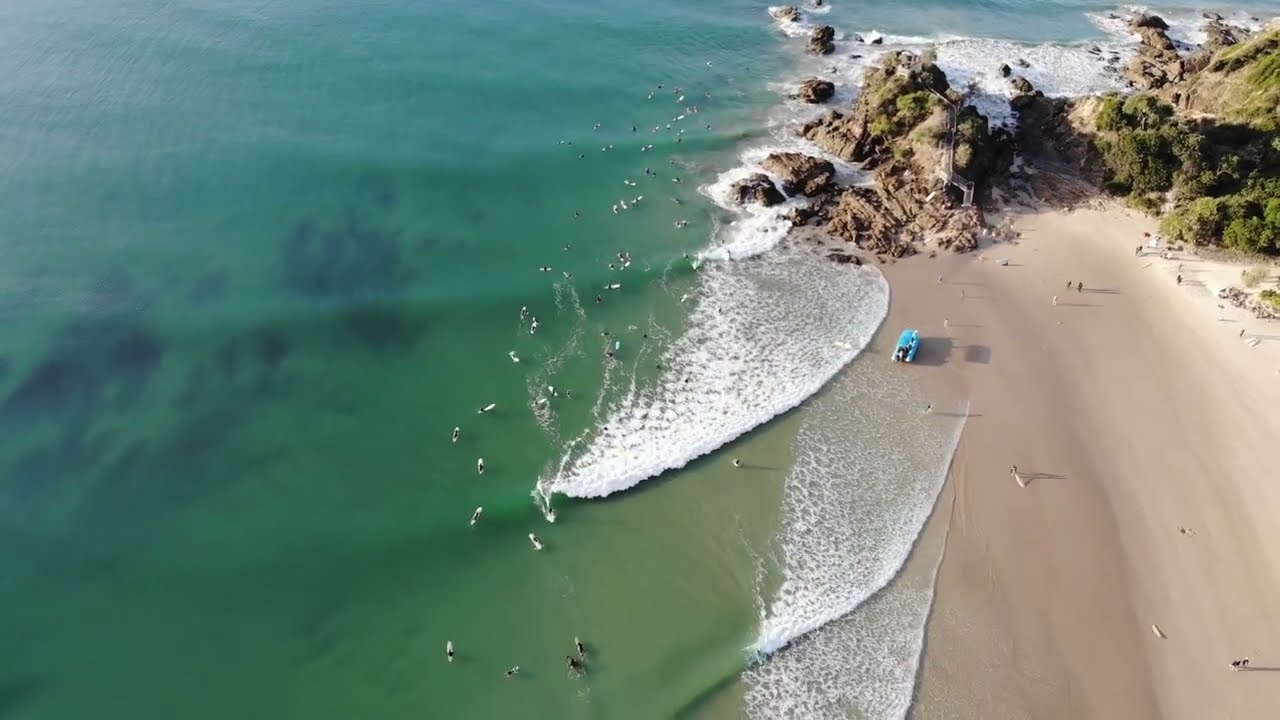
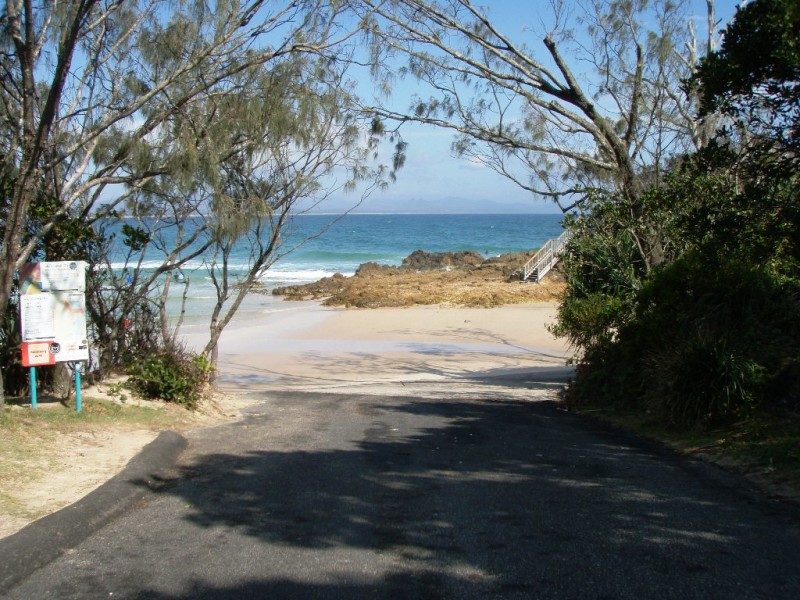
A unique departure site where specially designed rigid inflatable boats launch directly off the sand into the surf. It provides immediate access to the open bay within 3 minutes of boarding.
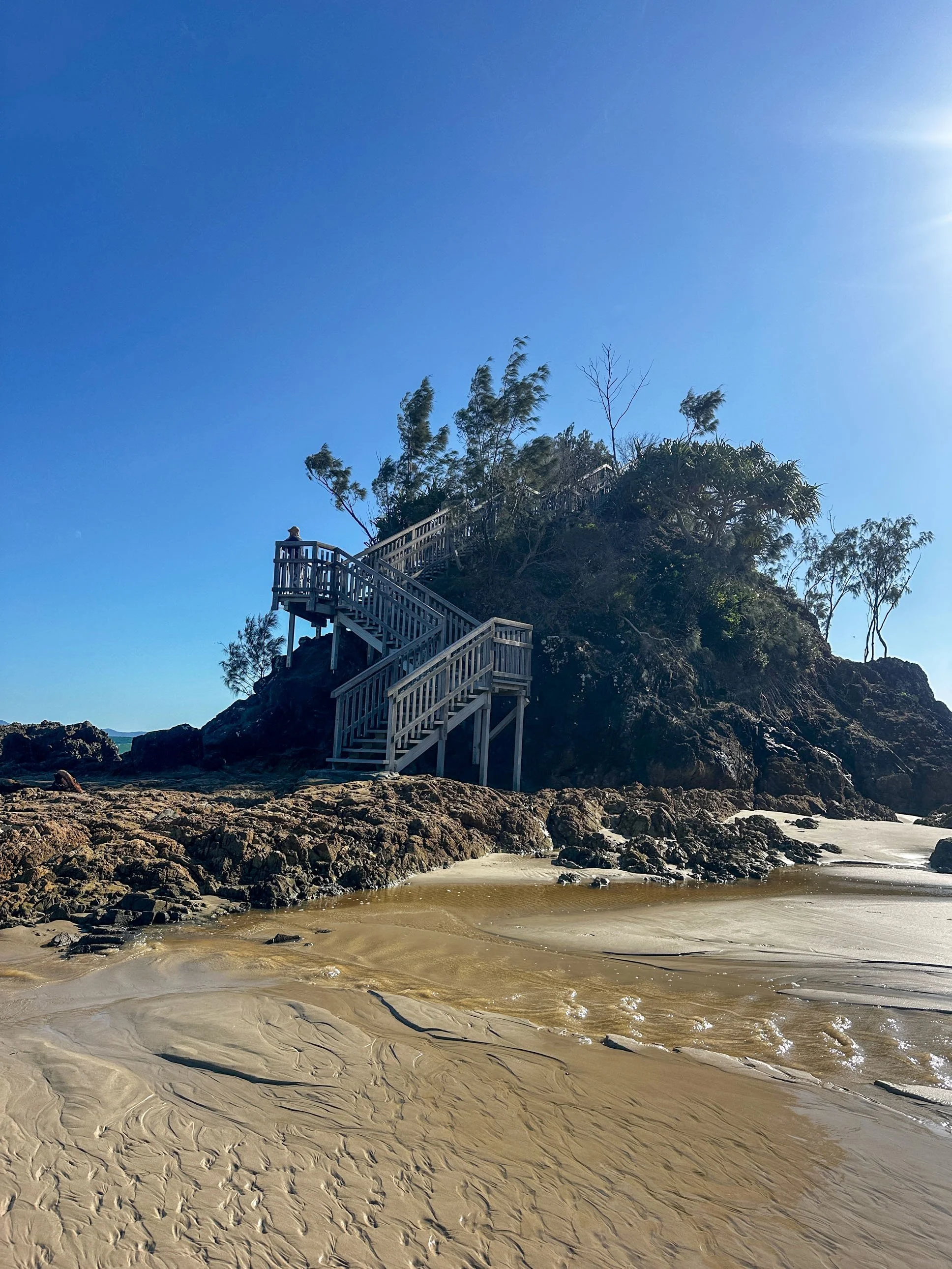
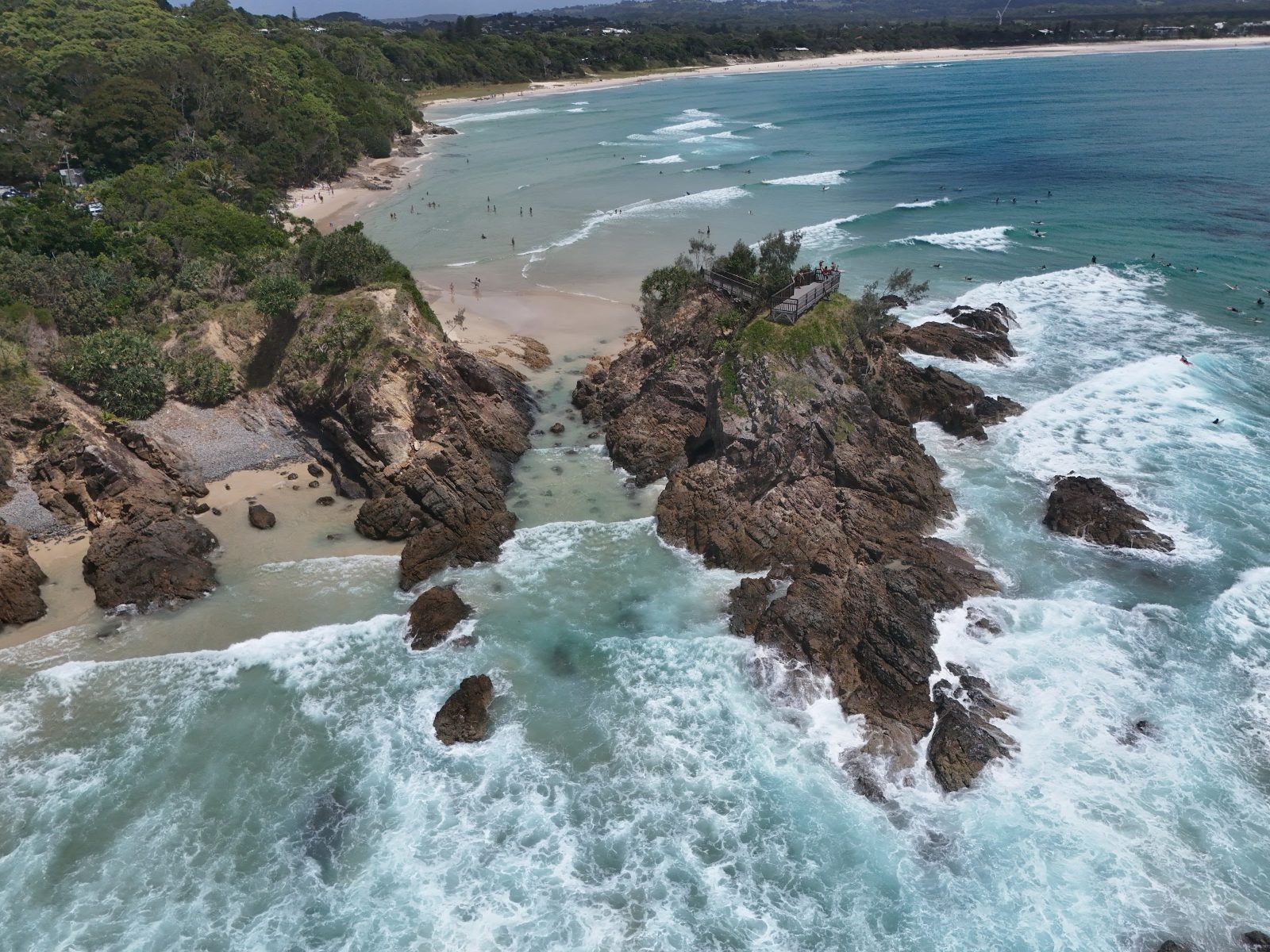
Perched on the headland overlooking the bay, this elevated wooden platform is a premier shore-based vantage point. Spotters here frequently count dozens of whale blows during peak migration hours.
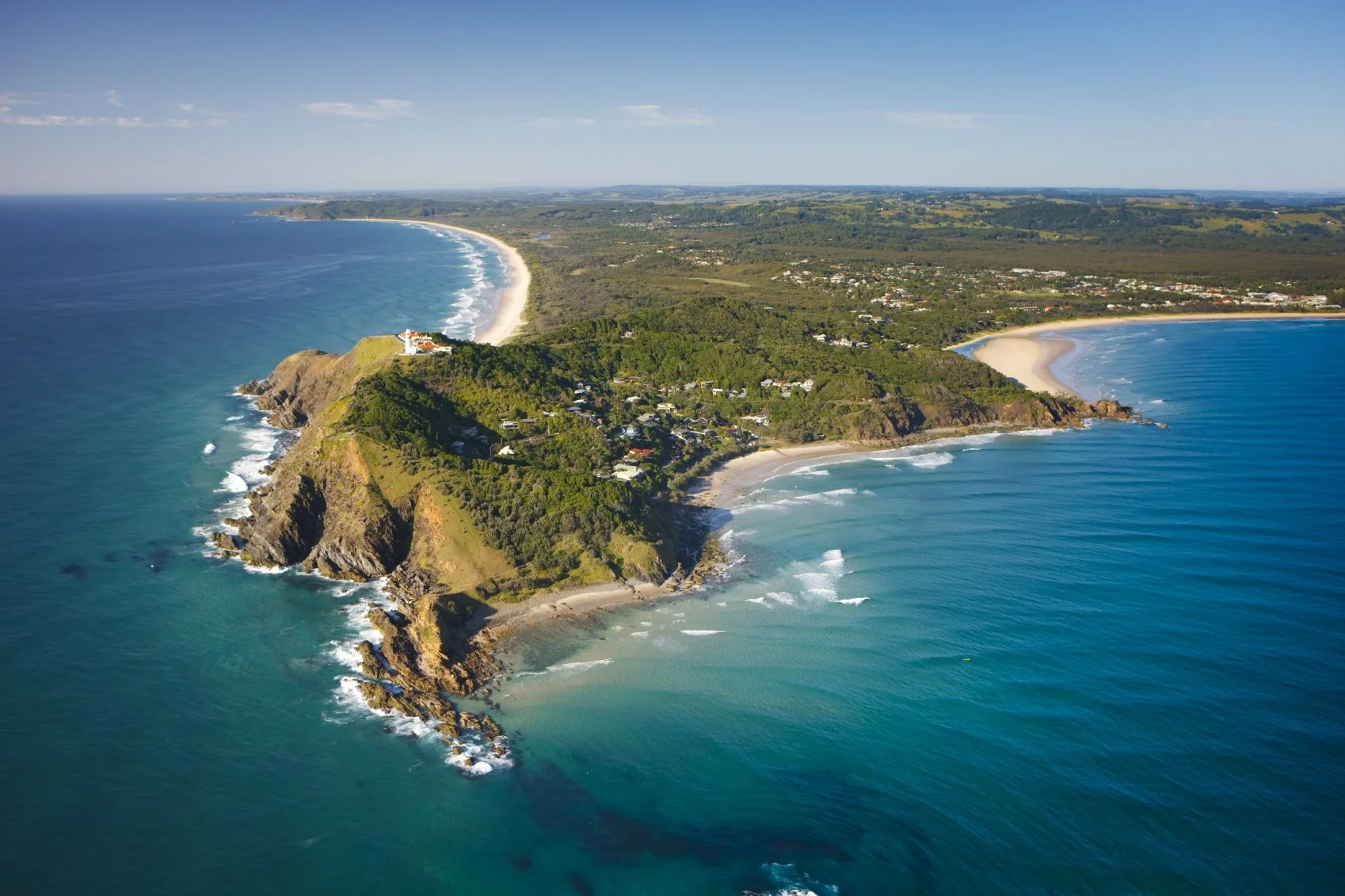
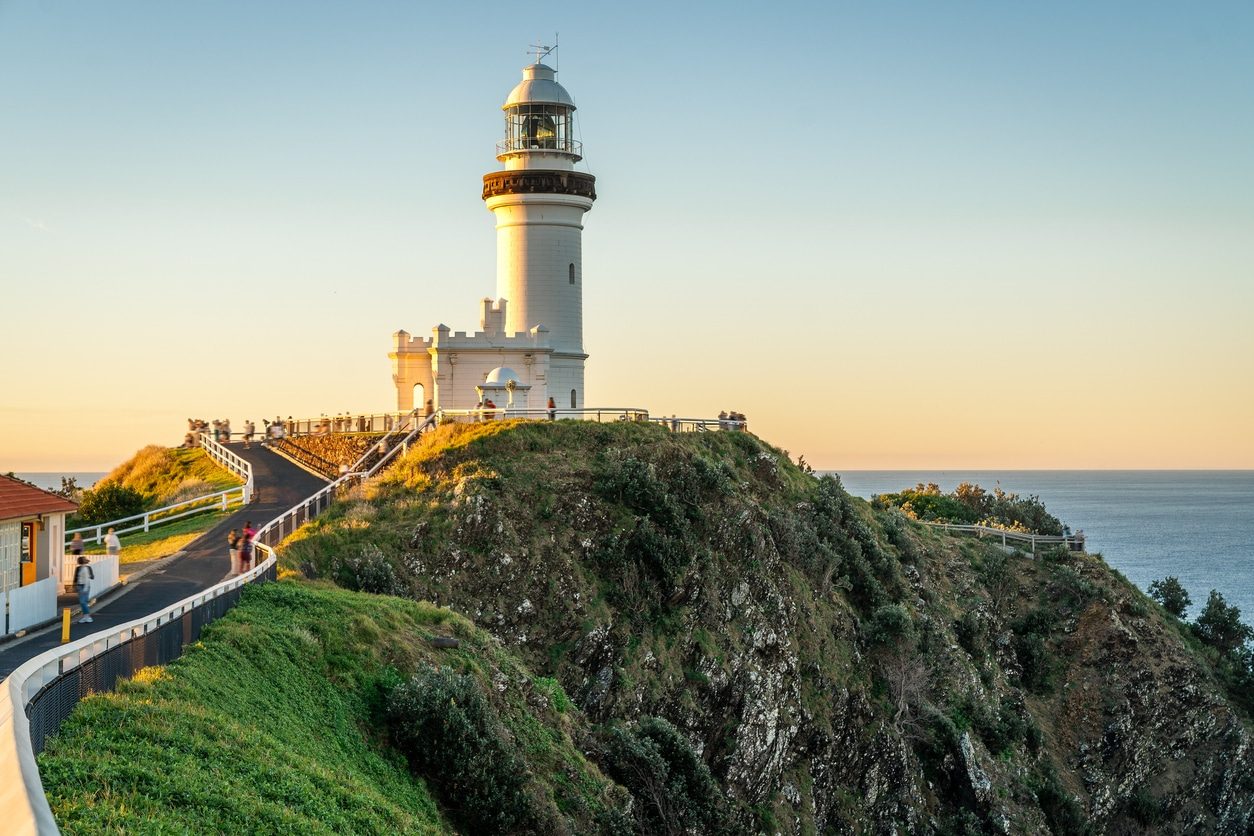
Rising 94 meters above the sea, these sheer cliffs mark the easternmost point of Australia. Whales hug the deep trench below these cliffs, allowing close encounters from both land and sea.
Every Byron Bay Whale Watching tour side-by-side — duration, what's included, how you redeem.
| Experience | Duration | Rating | Small group | Free cancel. | Price | |
|---|---|---|---|---|---|---|
|
Standard Entry Most popular
Humpback Whale Watching with Marine Biologist
|
2 hr 30 min | ★ 4.8 | — | ✓ | €79 | Book → |
|
Standard Entry
Byron Bay Whale Watching Safari
|
3 hr | ★ 4.8 | ✓ | ✓ | €79 | Book → |
|
Standard Entry
Byron Bay Whale Watching Expedition
|
3 hr | ★ 4.9 | ✓ | ✓ | €85 | Book → |
All prices from verified partners. Availability and exact terms confirmed at checkout.
They complement each other; most visitors who do both call the commercial boat experience the more thrilling way to interact with marine life. Choosing between byron bay whale watching tours and land-based observation depends on whether you prefer active mobility or stationary coastal solitude.
| Feature | Top pick Boat Tours | Lighthouse Viewing |
|---|---|---|
Experience type |
Water-based excursion | Coastal observation point |
Proximity to whales |
Close range encounters | Distant sightings |
Flexibility |
Scheduled departure times | Available 08:00–18:00 |
Cost |
Varies by operator | 0 AUD |
Equipment needs |
Binoculars recommended | Binoculars or spotting scope |
Atmosphere |
Dynamic and immersive | Quiet and contemplative |
| See tickets → |
Verdict: Securing byron bay whale watching tickets provides a dynamic marine engagement, whereas the lighthouse offers a flexible, cost-free alternative for those monitoring humpback migration from the Byron Bay whale watching tour vantage point.
Choose your ticket, select your date, and reserve in under two minutes. Secure checkout handled by our verified partner.
Instant confirmation by email, with a mobile voucher you can save offline. No printing, no queuing at a collection desk.
Arrive at the entrance, show your voucher on your phone, and walk in. Most tickets include priority or skip-the-line access.
Practical details for Byron Bay Whale Watching tickets straight from our verified partners — hours, access, rules, and how to get there.
The Pass, Byron Bay, NSW 2481
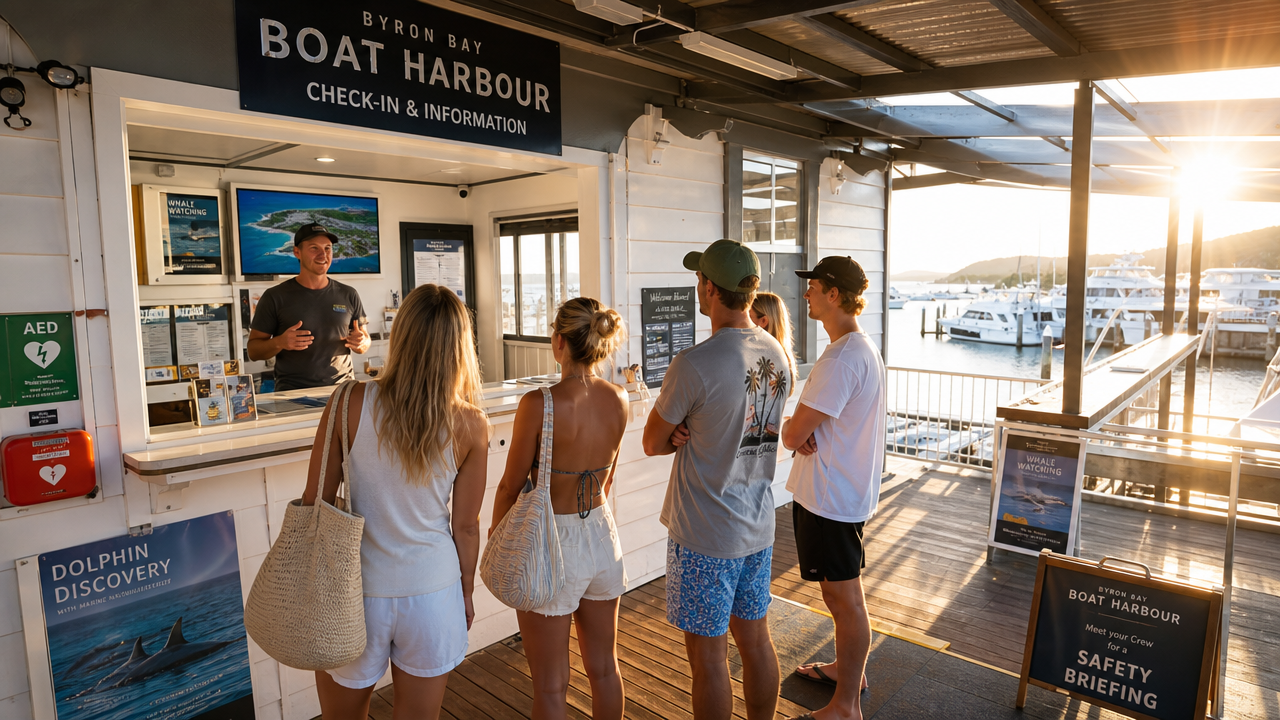
Primary launch site for beach-departure vessels. Arrive 20 minutes before departure.
Open in Google MapsDrive via the Pacific Highway (M1) and exit at Byron Bay. Multiple paid parking lots are available near Jonson Street and the beachfront.
Take the Route 640 bus from Ballina or Lismore, which stops at the Byron Bay Interchange on Jonson Street.
Local taxi and rideshare services operate throughout the Northern Rivers region, providing direct drop-offs at harbor locations.
When prepping for a byron bay whale watching tour, wear warm, windproof layers to protect against the cold sea breeze. Sturdy, flat, enclosed shoes with non-slip soles are required to maintain balance on the moving vessel.
Luggage storage is extremely limited on the boats, so visitors must only bring small, soft-sided backpacks. All personal bags are subject to inspection prior to boarding at the boat harbor to ensure safety compliance.
Taking photos during byron bay whale watching is a popular activity, so waterproof housing or neck straps are highly recommended. Drone use is strictly prohibited by marine park regulations to prevent disturbing the animals.
Physical access for byron bay whale watching varies; shore-based lookouts at Cape Byron Lighthouse are paved, while boat excursions require stepping onto inflatable pontoons. Wheelchairs cannot be accommodated on board and must be left at the harbor office.
Mobile phones are permitted for taking photos, but they should be secured with a wrist strap or lanyard to prevent them from dropping into the ocean. Ringers should be silenced during marine biologist talks to avoid disrupting other passengers.
Families planning for byron bay whale watching should note that children must be at least 5 years old to board the rigid inflatable boats. Life jackets are provided and must be worn by all children throughout the journey.
Only light snacks and resealable water bottles are permitted on board, and these must be stored in the vessel's coolers. Picnics or hot meals are not allowed to avoid spills and maintain cleanliness during the cruise.
Pets, including assistance animals, are not permitted on the whale watching vessels due to safety regulations and the close proximity to marine wildlife. Visitors wishing to view whales from shore-based lookouts can bring leashed dogs.
It is advisable to check the weather forecast and contact the operator the day before departure to confirm sea conditions. Passengers prone to motion sickness should take preventative medication at least 30 minutes before boarding.
The Pass, Byron Bay, NSW 2481
Primary launch site for beach-departure vessels. Arrive 20 minutes before departure.
Get directions
Marina Road, Brunswick Heads, NSW 2483
Departure point for deep-sea eco cruises. Free parking is available near the wharf.
Get directionsBest time to go, insider tips, nearby landmarks, and the cancellation fine print — flip through to skim what matters to you.
How crowds, weather, and events shift across the year.
The start of the northward migration, where active adult humpbacks are often spotted close to the shore.
Peak season with the highest concentration of whales migrating north, showcasing frequent breaching and tail-slapping behaviors.
Transition month where whales begin their southern journey, often featuring mother and calf pairs resting in calmer bays.
The final stage of the migration, featuring slow-moving mother and calf pods traveling south close to the coast.
Small details that turn a good visit into a great one.
Morning cruises for byron bay whale watching usually experience calmer sea conditions, making whale spotting significantly easier.
Polarized lenses eliminate glare from the water surface, letting you see the whales below the surface more clearly.
Instead of looking directly down, watch the horizon for blows, splashes, or breaches to spot pods from a distance.
Use a sturdy neck strap or floating wrist lanyard to prevent your camera or phone from falling into the sea during sudden boat movements.
Confirm with your tour operator the day before, as strong swells can lead to cancellations for safety and comfort.
Even if you rarely get seasick, the open ocean swell off Cape Byron can be challenging, so taking preventative medication is wise.
Non-bookable sights within a short walk — free to visit, easy to pair.
A historic lighthouse situated on the most easterly point of the Australian mainland, offering excellent elevated whale spotting lookouts.
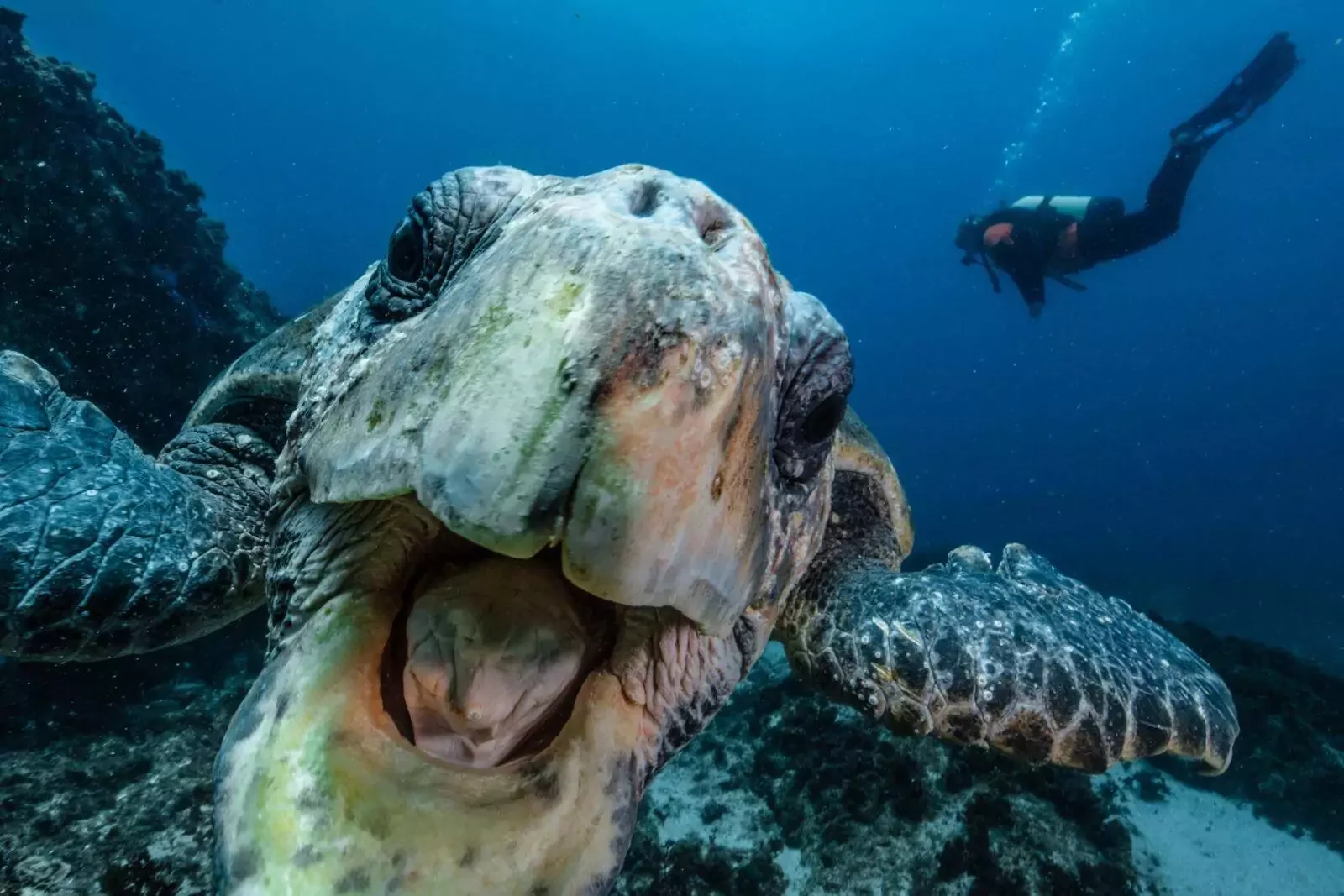
A highly protected marine sanctuary located just offshore, famous for scuba diving and snorkelling with sea turtles.
A popular surf break and beach area with an elevated wooden lookout deck that provides ocean vistas.
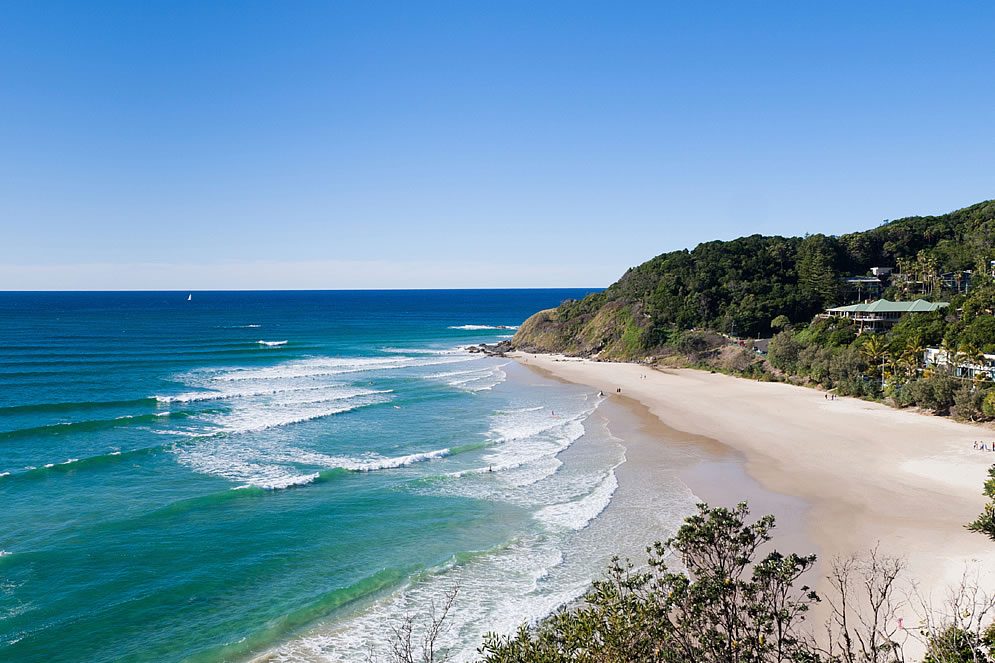
A sheltered sandy bay surrounded by coastal forest, ideal for swimming and spotting dolphins playing in the waves.
Flexible, no hidden fees.
While shore-based viewing has a fee of 0 AUD, boat excursions require paid bookings subject to operator policies. Cancellations for byron bay whale watching tours made at least 48 hours prior to departure receive a full refund.
Hand-picked options within walking distance — pick a district for vibe, or a specific hotel for convenience.
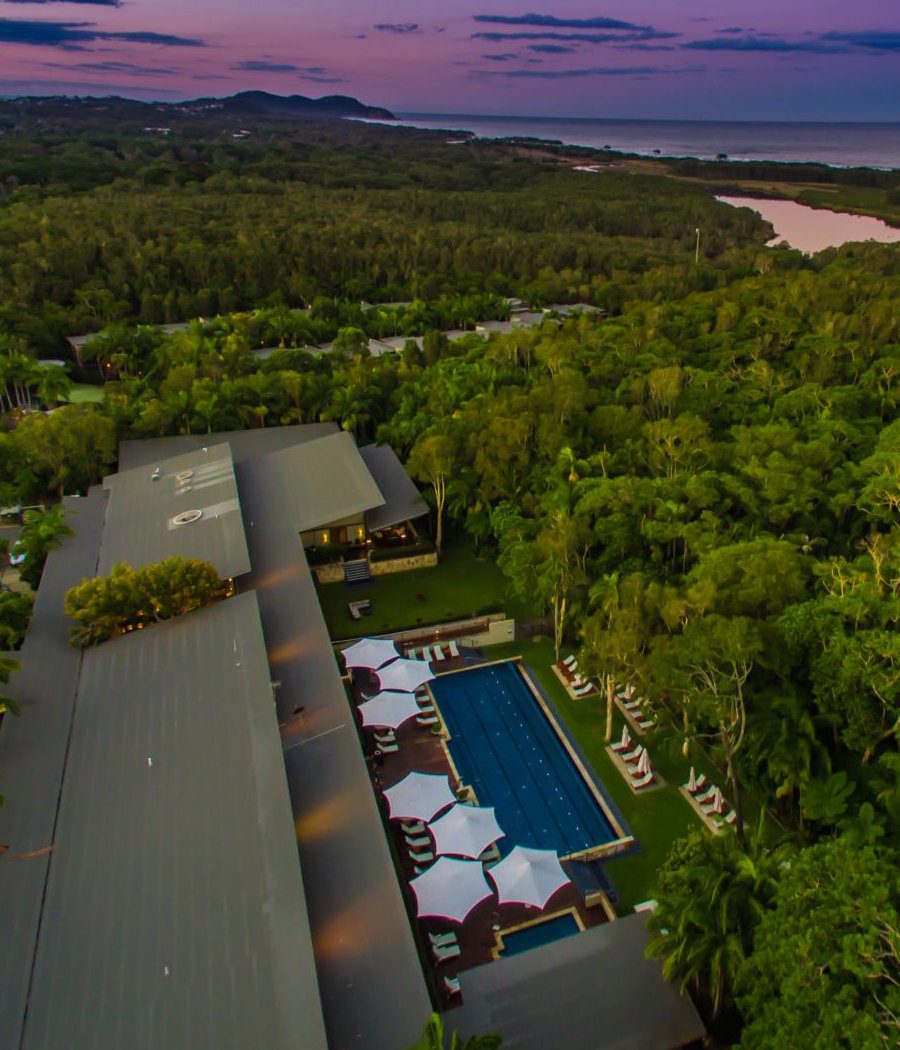
A resort nestled in a subtropical rainforest, offering spacious suites and daily wellness classes near Tallow Beach.
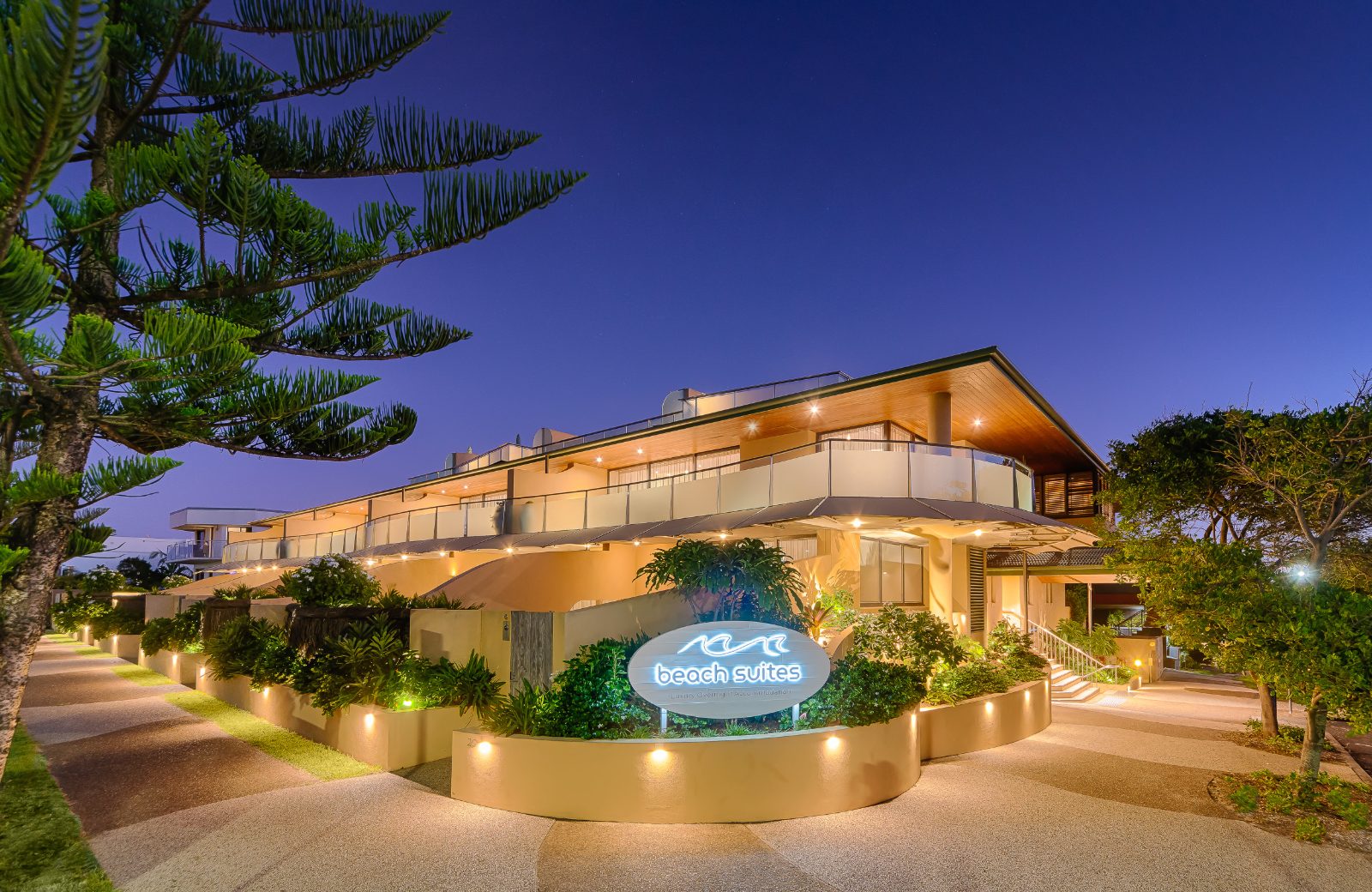
An iconic beachfront hotel located directly opposite Main Beach, featuring lively dining options and ocean views.
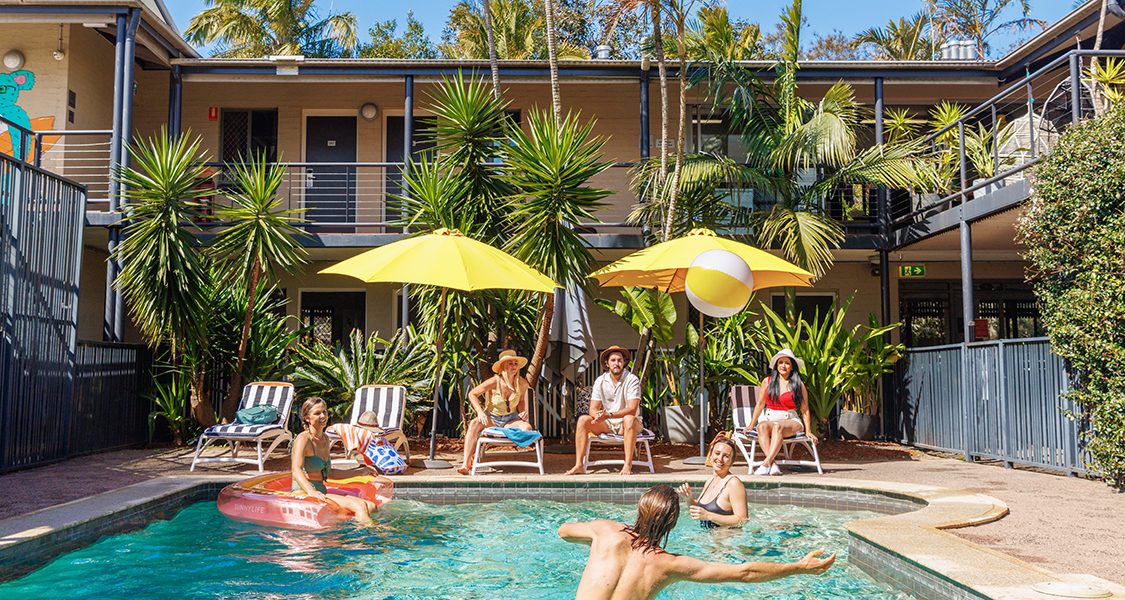
A modern backpacker hostel with a swimming pool, communal kitchen, and budget-friendly shared accommodations.
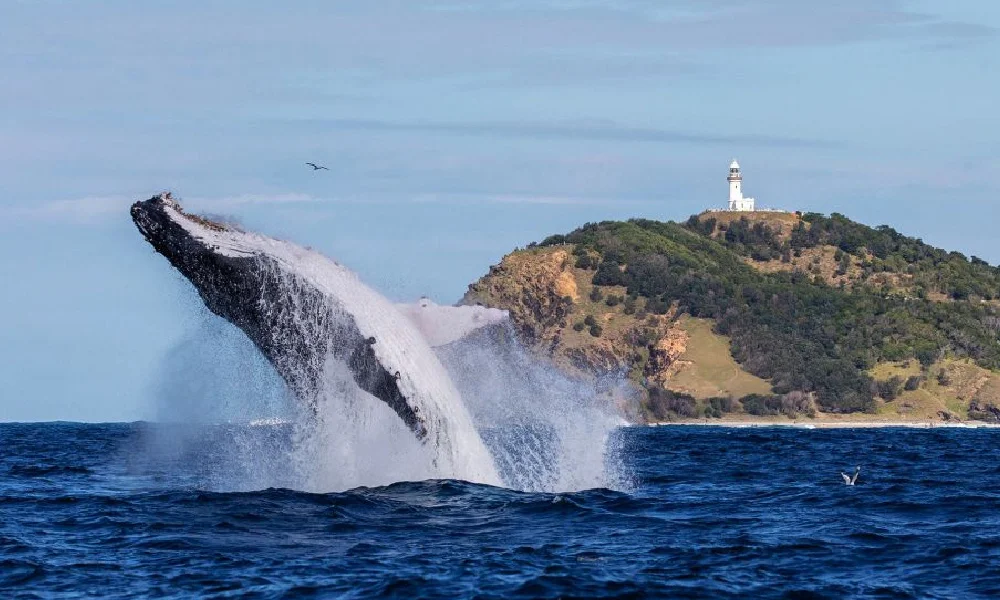
Between May and November each year, more than 30,000 humpback whales pass Cape Byron, the easternmost point of the Australian mainland, making Byron Bay one of the Southern Hemisphere's most reliable cetacean corridors.
The northward leg of the migration carries nursing mothers and calves from Antarctic feeding grounds to the warm breeding waters of the Great Barrier Reef; the southward return, which peaks in September and October, brings playful juveniles that breach, tail-slap, and spy-hop within sight of the headland. The Cape Byron Lighthouse, completed in 1901 and perched 94 metres above sea level, offers unobstructed sightlines across 40 kilometres of open ocean, and on clear mornings visitors have counted as many as 60 individual whales in a single sweep of the horizon.
Byron Bay's topography—a shallow continental shelf that funnels migrating pods close to shore—has shaped the town's identity as much as its surf breaks and hinterland have. Indigenous Arakwal people knew the route for millennia, and their oral histories record the annual arrival of *nganduwal*, the humpback, as both seasonal marker and spiritual event. Today the Arakwal National Park, which wraps around the northern flank of Cape Byron, is co-managed by traditional custodians and the New South Wales National Parks and Wildlife Service, ensuring that whale watching remains a low-impact activity governed by strict approach distances and no-wake zones.
Commercial byron bay whale watching tour operators run daily departures from the town marina aboard purpose-built catamarans fitted with hydrophones that broadcast the whales' haunting songs in real time. Most byron bay whale watching cruises last three hours and venture five to ten nautical miles offshore, where encounters with pods of three to twelve animals are common. Onboard marine biologists provide species identification and behavioural commentary, noting the distinctive white ventral markings and 15-foot pectoral fins that distinguish humpbacks from the occasional minke or southern right whale. Shore-based viewing requires nothing more than patience and a pair of binoculars; the Cape Byron walking track, a six-kilometre loop through littoral rainforest, delivers multiple vantage points where breaches and blows are visible against the cobalt swells. Byron bay whale watching best time falls during the September-October window, when cow-calf pairs linger in the bay's sheltered waters and surface activity peaks in the afternoon light.

"On clear mornings visitors have counted as many as 60 individual whales in a single sweep of the horizon."
A step-by-step walkthrough of Byron Bay Whale Watching tickets — what you'll see, how long each stage takes, and the details that matter.
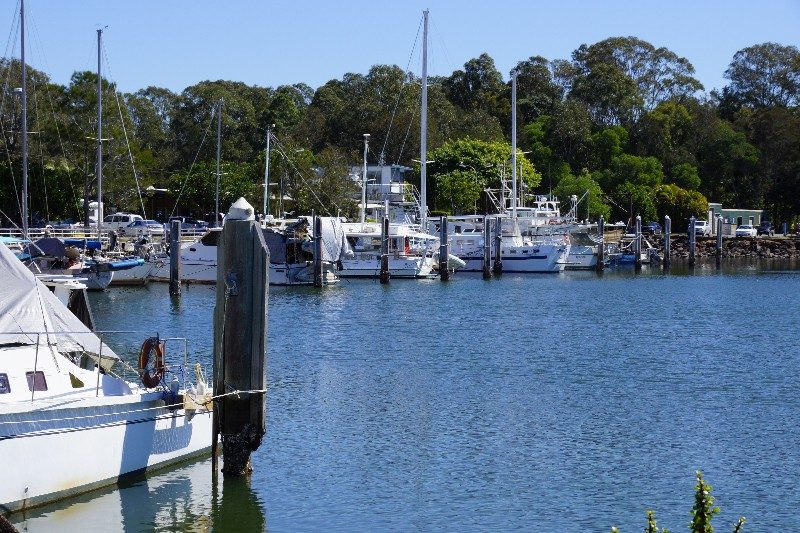
You arrive at the Byron Bay marina before eight in the morning, when the light is low and the water still holds its overnight chill. The catamaran is already idling at the dock, its twin hulls painted the blue-grey of a winter swell.
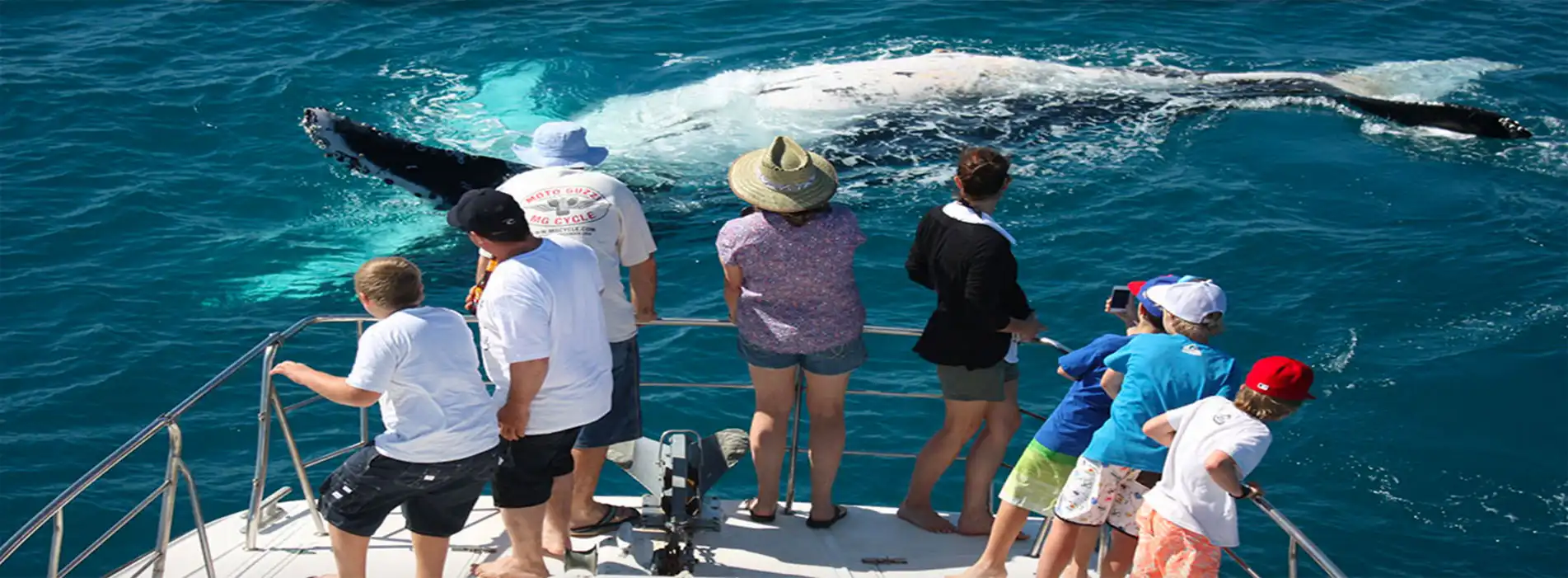
You step aboard, claim a spot along the starboard rail, and within ten minutes the vessel clears the breakwater and turns northeast, the Cape Byron Lighthouse shrinking to a white pinpoint on the headland behind you. The skipper cuts the engines three nautical miles out, and the boat drifts in silence. Then the hydrophone crackles—a low, modulated moan that seems to rise from the hull itself—and thirty seconds later a dark shape rolls at the surface, exhaling a vertical plume that catches the sun and hangs in the air like a question mark.
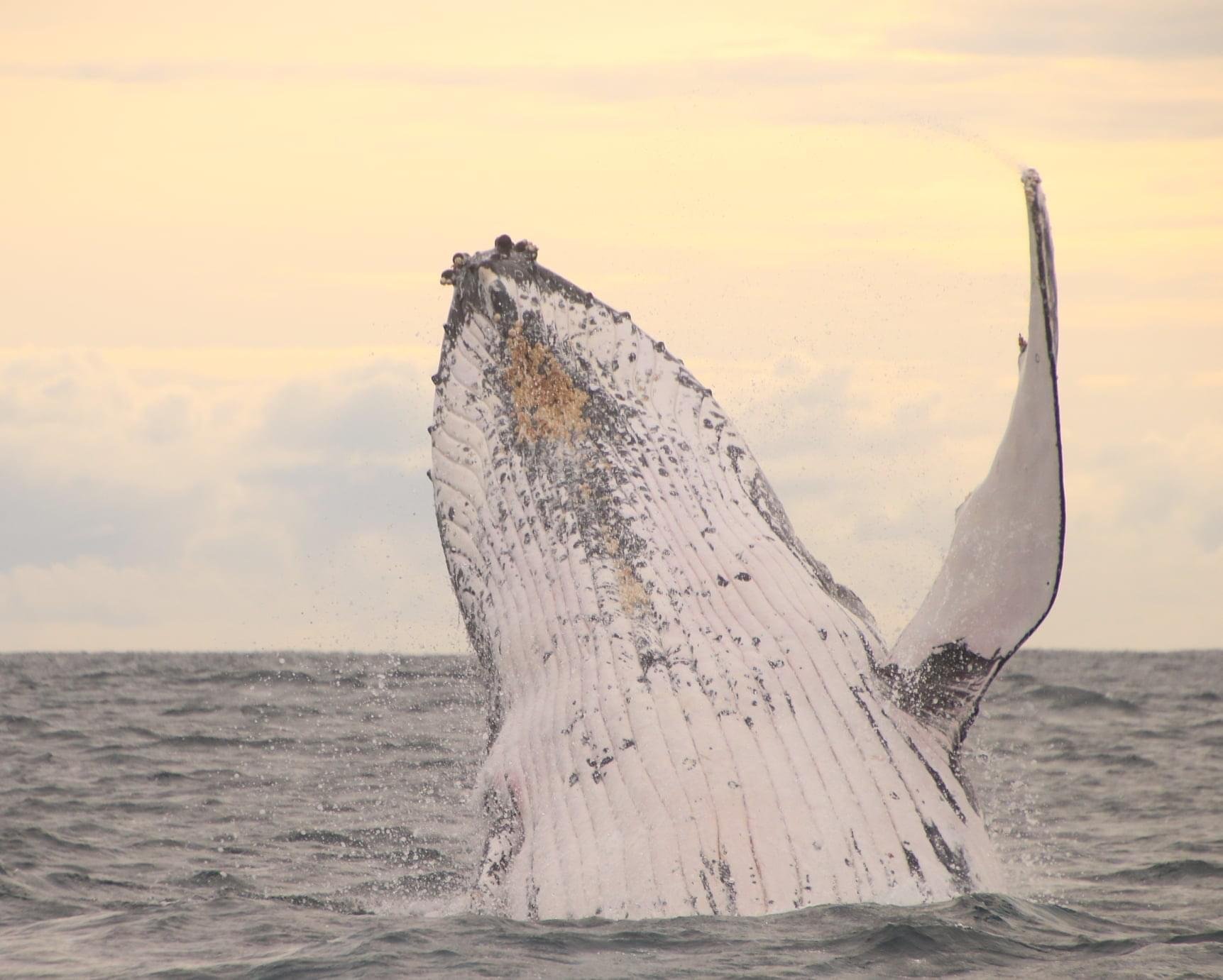
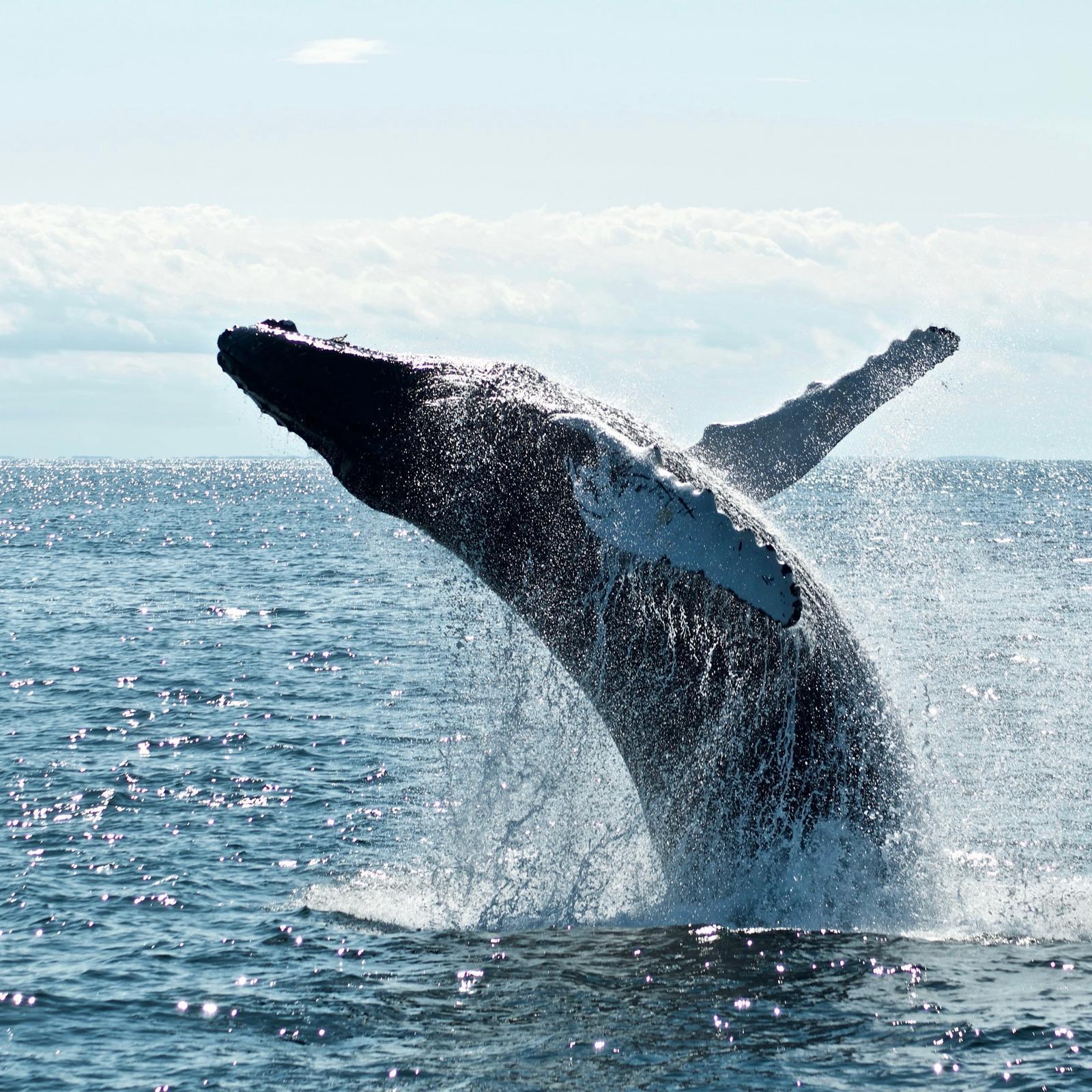
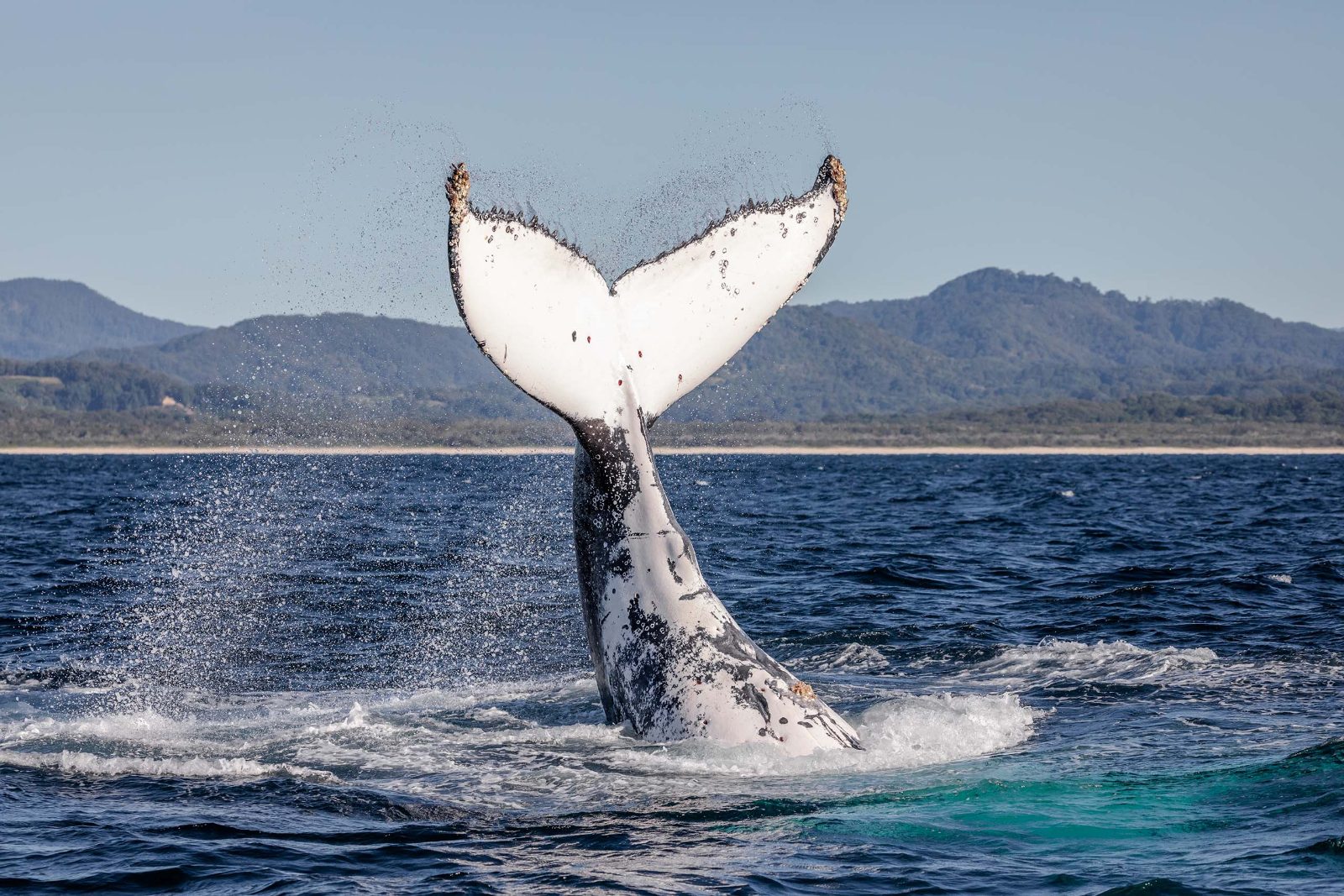
The whale surfaces twice more, each time closer, until you can see the knobbed ridge of its head and the long, scythe-shaped dorsal fin. A calf appears beside it, no more than four metres long, pale and awkward, and the two animals circle the boat in a lazy figure-eight before the mother raises her fluke—black on top, white underneath, the trailing edge scalloped and scarred—and slides back under. You wait. The hydrophone hums. Then, fifty metres off the bow, the calf breaches, its entire body airborne for a frozen second before it crashes sideways into the swell, the impact audible as a flat, wet crack that echoes off the cliffs of Cape Byron.
The official office hours for byron bay whale watching are 08:00–18:00 daily, though individual boat departures vary throughout the day.
Most cruises depart from either the Brunswick Heads boat harbor or directly from the beach at The Pass in Byron Bay.
Yes, you can secure your byron bay whale watching tickets online in advance to guarantee your preferred departure time.
The optimal period for a byron bay whale watching tour is between June and November, when humpback whales migrate along the coast.
We recommend dressing in warm, windproof layers and wearing flat, enclosed shoes to stay comfortable during the tour.
Shore-based Cape Byron whale spotting is completely free at 0 AUD, whereas boat tours vary in price depending on the operator.
Children must be at least 5 years old to join byron bay whale watching boat tours, and must be accompanied by an adult.
If a scheduled byron bay whale watching cruise is cancelled due to rough seas, you will receive a full refund or a free reschedule.
Only small, soft-sided backpacks are permitted on board, as storage space is extremely limited.
Yes, photography is highly encouraged during byron bay whale watching, though you should secure your camera with a neck strap.